C Programming Course in Pune with Placement
Pune's trusted C classes at the Archer Infotech institute, Kothrud — weekday, weekend and online batches with placement assistance.
Master the C programming language — the foundation of systems programming, embedded development, and operating systems. Learn data types, control flow, functions, pointers, dynamic memory, structures, and file handling through hands-on projects.
4.9 from 24 Google reviews- Trained
- 10000+ Trained
- Placed
- 5000+ Placed
- Placement rate
- 90% Placement rate
- 17+ years
- Since 2009 17+ years
Placement rate measured across flagship batches whose students complete training and clear at least one mock interview.
Curriculum last reviewed:
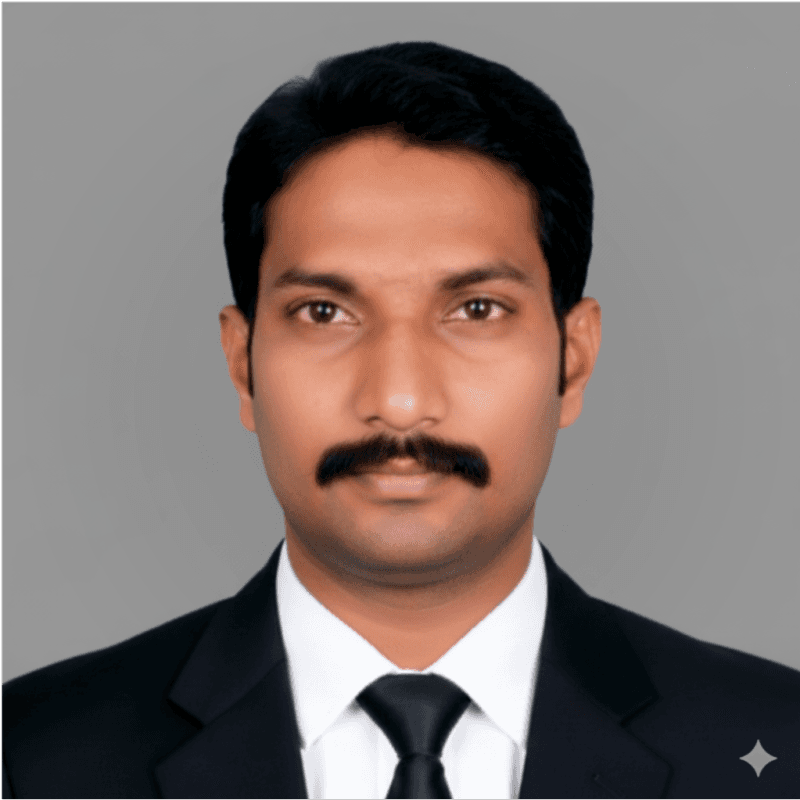
Reviewed by Yogesh Patil, Founder & Director
Interested in this course?
Get in touch with us to learn more about the curriculum, batch timings, and fees.
Next batch starting soon!
What is the C Programming course in Pune?
In short — Built for freshers and career switchers with no prior programming background: a 1.5-month path from fundamentals to job-ready C Programming skills, taught at our Kothrud, Pune centre or live online, with placement assistance and real project work you can show an interviewer.
C Programming training at Archer Infotech is a 1.5-month beginner programme in Pune. It runs as classroom batches at the Kothrud centre and as live online batches, using the same curriculum and trainers. The syllabus covers 16 modules and includes hands-on project work. It prepares learners for roles such as System Programmer, Embedded Systems Developer and Firmware Engineer. Archer Infotech has trained IT professionals in Pune since 2009 and reports a 90% placement rate across learners who complete training. Fees, batch dates and EMI options are shared on request; a free demo class is available before enrolling.
Our C students get placed at
And many more — 100+ corporate partners hiring across Pune and India.

C is the foundational systems-programming language — the language behind the Linux kernel, every operating system, every embedded controller in every Pune-manufactured car / Cummins engine / Honeywell automation device, every database engine, every browser engine, and every language runtime (Python's CPython, Node.js's V8, the JVM, the .NET CLR are all written in C / C++). Archer Infotech's C training in Pune teaches the language as it is actually used in 2026 — modern C (C17 / C23 features where compilers support them, primarily on GCC 14 and Clang 18+), pointers and pointer arithmetic at the depth that real systems engineers need, dynamic memory management without leaking, the standard library, file handling, plus the discipline of writing C that runs reliably for years (defensive coding, static analysis with cppcheck, undefined-behaviour awareness). The course is the right foundation for engineering students, embedded / firmware careers, and the natural prerequisite for our C++ track. Classroom in Kothrud, online live, and weekend batches available.
Why Learn C in 2026
C is not a legacy language — it is a foundational one, and the gap between knowing C and not knowing C separates 'I learned to program' from 'I understand how computers actually work'. Pune's automotive R&D ecosystem (Mercedes-Benz R&D India, BMW TechWorks, Volkswagen IT Services, Bajaj Auto, Tata Motors via Tata Technologies Pune, Cummins, Atlas Copco, John Deere ETC, plus the entire Tier-1 / Tier-2 supplier ecosystem) hires aggressively for embedded C / C++ engineers — Indeed Pune lists 600+ active embedded / firmware / systems openings in 2026, with continuous hiring at companies like KPIT (a major Pune automotive software employer), L&T Technology Services, Tata Elxsi, Persistent Embedded Systems, and the captive R&D arms above.
Beyond automotive: Pune's IoT / device-engineering scene (Honeywell, Schneider Electric Pune, ABB Pune), the test-and-measurement space (National Instruments Pune), and most engineering colleges' research labs all run on C. Plus the broader software-engineering reality — every senior backend engineer benefits from C-level intuition because every language eventually has a 'why is this slow / why does this leak / why does the GC pause' question that C-fluency answers cleanly.
What this means for hiring: Pune embedded / firmware JDs in 2026 expect C fluency, pointer mastery, dynamic memory discipline, basic OS understanding (processes, threads, syscalls), and ideally exposure to embedded toolchains (ARM toolchain, microcontroller programming via STM32 / ESP32 / Arduino). Senior roles add C++ (covered in our follow-on track), Yocto / embedded Linux, and AUTOSAR for automotive specifically. Archer Infotech's C course covers the language depth Pune embedded employers test for.
- 600+ active embedded / firmware / systems openings on Indeed Pune (May 2026)
- Pune automotive ecosystem — KPIT, Tata Elxsi, L&T Tech Services, Mercedes-Benz, BMW
- Modern C — C17 / C23 on GCC 14 / Clang 18+
- Foundation for C++, embedded firmware, OS / kernel work, and senior systems engineering
- The intuition that makes you better at every other language
Who should take this C Programming course?
What does the C syllabus cover?

Download the full syllabus as a PDF
The complete 30-module syllabus as a 20-page PDF — programming fundamentals, the C toolchain, data types and operators, control flow, functions, arrays and strings, pointers, dynamic memory, structures, unions, the preprocessor, file handling, bit manipulation, data structures in C, debugging, secure practices, problem solving, mini projects, a capstone and interview preparation. Everything in it is on this page; the PDF is the portable version.
What is inside the 20-page PDF
- All 30 modules in teaching order, each with its topic list and practical exercises.
- Pointers and dynamic memory given the space they need — the material that decides whether the rest of C makes sense.
- Data structures implemented from scratch: linked lists, stacks, queues, trees and hash tables with your own memory management.
- Recommended lab assignments, suggested duration, prerequisites, tools, learning outcomes and the recommended progression after C.
Roles this syllabus prepares you for
What projects will you build?
What jobs and salaries follow this course in Pune?
C fluency is the foundation for embedded / firmware / systems roles — Indeed Pune lists 600+ active openings in this segment, with continuous hiring at KPIT (Pune's largest automotive-software employer), Tata Elxsi, L&T Technology Services, Persistent Embedded Systems, plus the captive R&D arms of Mercedes-Benz, BMW TechWorks, Volkswagen IT Services, Tata Motors / Tata Technologies, Bajaj Auto, Cummins, Honeywell, Atlas Copco, John Deere ETC, and the IoT / device-engineering scene. C is also the prerequisite for C++, which expands the role landscape significantly.
What pulls a C developer above the median band: a public GitHub repository with at least one valgrind-clean systems project, demonstrable pointer / memory / data-structure depth, ideally one embedded-firmware project on real hardware (ESP32 / STM32 / Arduino — small kit cost), and the discipline of writing defensive C that survives static analysis. Our capstone projects are designed exactly around these signals.
Senior Embedded / Systems Engineer bands at the top end are reported as national figures (Pune-specific Indeed pages do not exist for these specific titles); Pune trends within ±10% of these figures based on AmbitionBox and 6figr.
| Role | Salary band | Source |
|---|---|---|
| C Developer / Embedded C Engineer (Pune entry, <2 years) | ₹3,50,000 – ₹6,00,000 per year | AmbitionBox Pune Embedded C Engineer |
| Embedded Software Engineer (Pune, 2–4 years) | ₹6,00,000 – ₹11,00,000 per year | Glassdoor Pune Embedded Engineer |
| Senior Embedded / Firmware Engineer (Pune, 5–8 years) | ₹14,00,000 – ₹24,00,000 per year | Glassdoor Pune Senior Embedded Engineer |
| Lead Embedded Systems Engineer (national, 8+ years) | ₹22,00,000 – ₹38,00,000 per year | 6figr India Lead Embedded Engineer (Pune ±10%) |
Pune companies hiring C professionals in 2026
Roles after this C course
How long is the course, and what batch options are there?
Duration: 6 weeks of structured curriculum plus 1 week of capstone project and embedded / systems onboarding (~1.5 months total)
Maximum 15 students per batch. Classroom batches start every 3 weeks; weekend batches every 5 weeks.
What are the C course fees in Pune?
What placement support do you get?
C alone is foundational rather than a standalone hireable specialisation in 2026; placement focus is calibrated for embedded / firmware entry roles where C is the primary requirement. By the end of the curriculum your resume highlights pointer / memory / data-structure mastery, your GitHub has at least two valgrind-clean repositories, and you have completed at least two mock technical interviews focused on entry-level embedded / firmware roles.
We say placement support, not placement guarantee. Our support is unconditional, time-bound (six months after course completion), and includes free re-entry to a future batch's interview-prep sessions. Most C graduates progress directly to our C++ course or take an embedded-firmware specialisation as the natural depth specialisation that turns C fluency into a hireable embedded role.
How does Archer Infotech compare with other institutes?
We compare ourselves against typical Pune C training institutes on factual rows only — no logos, no opinions. Use this as a checklist when evaluating any institute.
| Factor | Archer Infotech | Typical Pune institute |
|---|---|---|
| Trainers named on course page with photos and LinkedIn | Yes — Yogesh Patil and Amol Chougule | No — generic 'expert trainers' branding |
| C standard covered | C17 + C23 features on GCC 14 / Clang 18+ | C89 / C99 — pre-2010 standards still |
| Memory tooling | valgrind + Address Sanitiser + cppcheck integrated into every project | Slides only, no actual tool use |
| Pointer depth | Full week — pointer arithmetic, pointer-to-pointer, function pointers, const-correctness | One day, basics only |
| Embedded primer included | Yes — ARM / STM32 / ESP32 toolchain overview, optional firmware capstone | Not covered |
| Public GitHub portfolio output | Yes — valgrind-clean projects with CI badges | Local code on a hard drive |
| Bundled pricing with C++ | Yes — significant discount when combined | Per-course pricing only |
| Salary data shown | Cited from AmbitionBox + Glassdoor + 6figr with source URLs | Single number with no source |
| Placement support duration after course | 6 months, with free re-entry to interview prep | 1–3 months or vaguely 'until placed' |
| Batch size cap | 15 students | 25–40 students |
Compare with whoever you are considering — we welcome the comparison. The right test is whether you can see actual student valgrind-clean code before you pay.
C, C++, or Skip Both?
C vs C++ vs skip-both is the most-asked question in Pune embedded counselling. The honest answer: it depends on your career direction.
Take C alone (this 1.5-month course) if your goal is an entry-level embedded / firmware / IoT role at a Pune Tier-1 / Tier-2 supplier where pure C is dominant, you are an engineering student building foundations early, or you are preparing for our C++ track and want C fluency first. Take C → C++ as a bundle (combined ~3.5 months) if your goal is the broader systems / embedded / game-development / quant-trading market — C++ unlocks significantly more roles and pays better at senior, and the C → C++ progression is the natural one (C++ assumes C fluency).
Skip both if your goal is web / frontend / data / AI work — JavaScript or Python is the better starting point and C / C++ is unnecessary detour for those careers. Honest recommendation: pick C if you have a specific embedded / automotive / firmware target. Pick the C → C++ bundle if you want broader systems / engineering reach. Skip both if your career direction is web / data / AI / cloud.
What are the prerequisites, and how do you start?
Prerequisites: basic computer use, willingness to commit 6–8 hours per week of practice outside class, ideally school-level math (basic algebra and binary number system understanding helps but isn't strict). No prior programming experience required; we start from `printf("Hello")` on day one.
- Decide your mode — classroom in Kothrud, online live, or weekend
- Check the upcoming batch dates on our batch schedule page
- Book a free 30-minute counselling call — we will honestly tell you whether the course fits your goal
- Confirm enrolment and complete pre-course orientation (GCC / Clang install scripts for Linux / macOS / Windows-with-WSL2)
- Show up to day one with a laptop running 64-bit Linux / macOS / Windows-with-WSL2
Frequently Asked Questions
Is C still relevant in 2026?
Yes — more relevant than ever in Pune specifically. The Linux kernel, every operating system, every embedded controller, every database engine, every language runtime is written in C / C++.
Read moreShow less
Pune's automotive and embedded ecosystem (KPIT, Tata Elxsi, L&T Tech Services, the captive R&D arms) hires aggressively for embedded C engineers; Indeed Pune lists 600+ active openings in this segment.
How long does C training in Pune take at Archer Infotech?
Approximately 1.5 months — 6 weeks of structured curriculum plus 1 week of capstone and onboarding.
Read moreShow less
The weekend batch stretches over ~2.5 months at the same content depth.
What is the salary of an Embedded C Engineer in Pune?
AmbitionBox reports junior Embedded C Engineer Pune salaries at ₹3.5–6 lakh per year.
Read moreShow less
Mid-level (2–4 years) earns ₹6–11 lakh per Glassdoor. Senior Embedded / Firmware Engineers (5–8 years) earn ₹14–24 lakh. Lead Embedded Systems Engineers earn ₹22–38 lakh nationally with Pune trending within ±10%.
Should I learn C before C++?
Yes — C is the natural prerequisite. C++ assumes C-level fluency on pointers, memory management, and the build / compile / link model.
Read moreShow less
Skipping C and going straight to C++ wastes the first 2–3 weeks of the C++ course because every C++ concept builds on C fundamentals. Many students take C → C++ back-to-back as our bundled enrolment.
C or Python — which should I learn first as a beginner?
Python if your career direction is web / data / AI / cloud — Python is the better starting point and you can always pick up C later if you need it.
Read moreShow less
C if your career direction is embedded / firmware / systems / automotive — C is the foundational language for that ecosystem and you cannot skip it. The honest answer depends on goal, not on which is 'better'.
Will I work on real projects?
Yes — three capstone projects: (1) mini disk-backed key-value database engine in C, (2) optional microcontroller firmware project on ESP32 / STM32 with hardware kit, (3) reusable linked-data-structure library with valgrind-clean tests.
Read moreShow less
All three become public GitHub repositories with passing CI badges.
What about embedded / hardware?
The optional Capstone Project #2 is a microcontroller firmware project on ESP32 or STM32 — hardware kit (~₹1,500–₹2,000) is student-purchased and optional.
Read moreShow less
We cover the embedded-C idioms (volatile, register access, interrupts, no-malloc-after-init) and the toolchain so you can interview for entry-level embedded roles credibly. Deeper embedded specialisation comes after this course.
Are weekend C classes available in Pune?
Yes — Saturday and Sunday, 09:00–13:00, stretched over ~2.5 months instead of 1.5.
Read moreShow less
Same content, same trainers, same projects.
What is the fee for the C course in Pune?
Course fees range from ₹20,000 to ₹90,000 depending on mode and concession.
Read moreShow less
C as a 1.5-month focused course typically lands at the lower end of this range. Bundled C + C++ enrolment offers significant savings.
What support do I get after course completion?
Six months of active placement support — mock interviews calibrated for entry-level embedded / firmware roles, referrals via our alumni network (with extra emphasis on KPIT / Tata Elxsi / L&T Tech Services), resume / LinkedIn / GitHub rewrites, and salary negotiation coaching.
Are the named trainers actually teaching, or are they just on the brochure?
Yogesh Patil personally leads the foundations, pointers, dynamic memory, and capstone weeks.
Read moreShow less
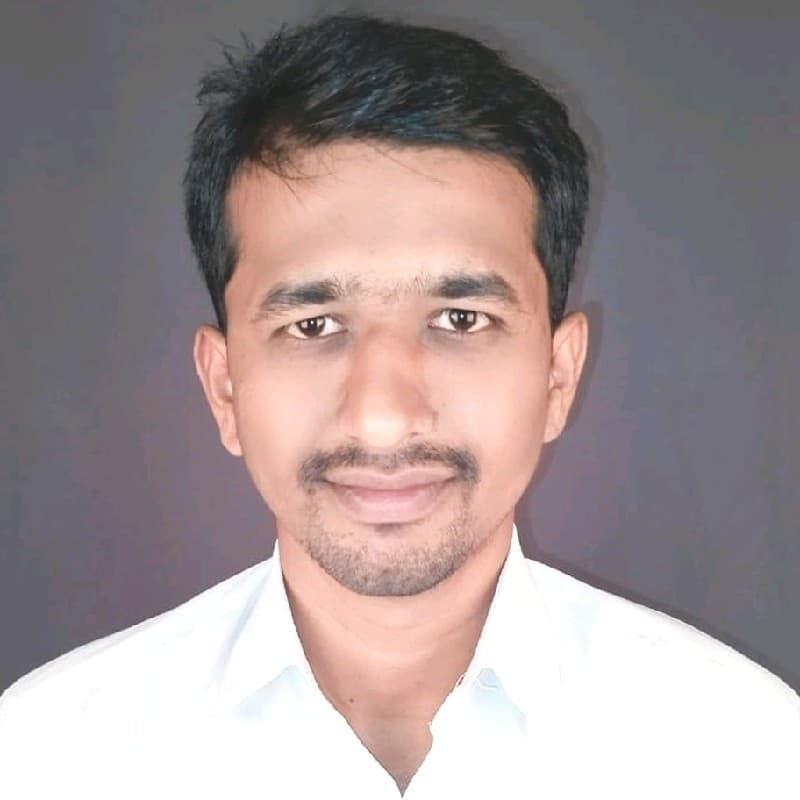
Amol Chougule leads the structures / file I/O / preprocessor weeks. The same names you see on this page show up in your batch on day one.
Learn C Online or at Our Pune Centre
Good news — C is available in live online mode as well as classroom training at our Kothrud, Pune centre. Learn from anywhere with the same trainers, curriculum and placement assistance. Register now or send us your enquiry.
Taught by Industry Experts
Every batch is led by a working professional with years of MNC experience.